Exploring late 20th century immigrant experiences in Texas
“We must also lift by legislation the bars of discrimination against those who seek entry into our country, particularly those who have much needed skills and those joining their families.
In establishing preferences, a nation that was built by the immigrants of all lands can ask those who now seek admission: "What can you do for our country?" But we should not be asking: "In what country were you born?"
—Lyndon B. Johnson, 1964 State of the Union address
Signed into law by LBJ in 1965, the Immigration and Nationality Act, also known as the Hart-Celler Act, ended the use of national-origin quotas, under which immigrants were chosen on the basis of race and ancestry, and changed the face of the nation and of Texas. Before this, immigration to the U.S. was largely restricted to Western Europeans. In 1960, seven of eight immigrants were white people from Europe. By 2010, nine out of 10 newcomers were immigrants of color from outside Europe. This increasing diversity of nationalities and cultures has also been accompanied by an increase in religious diversity.
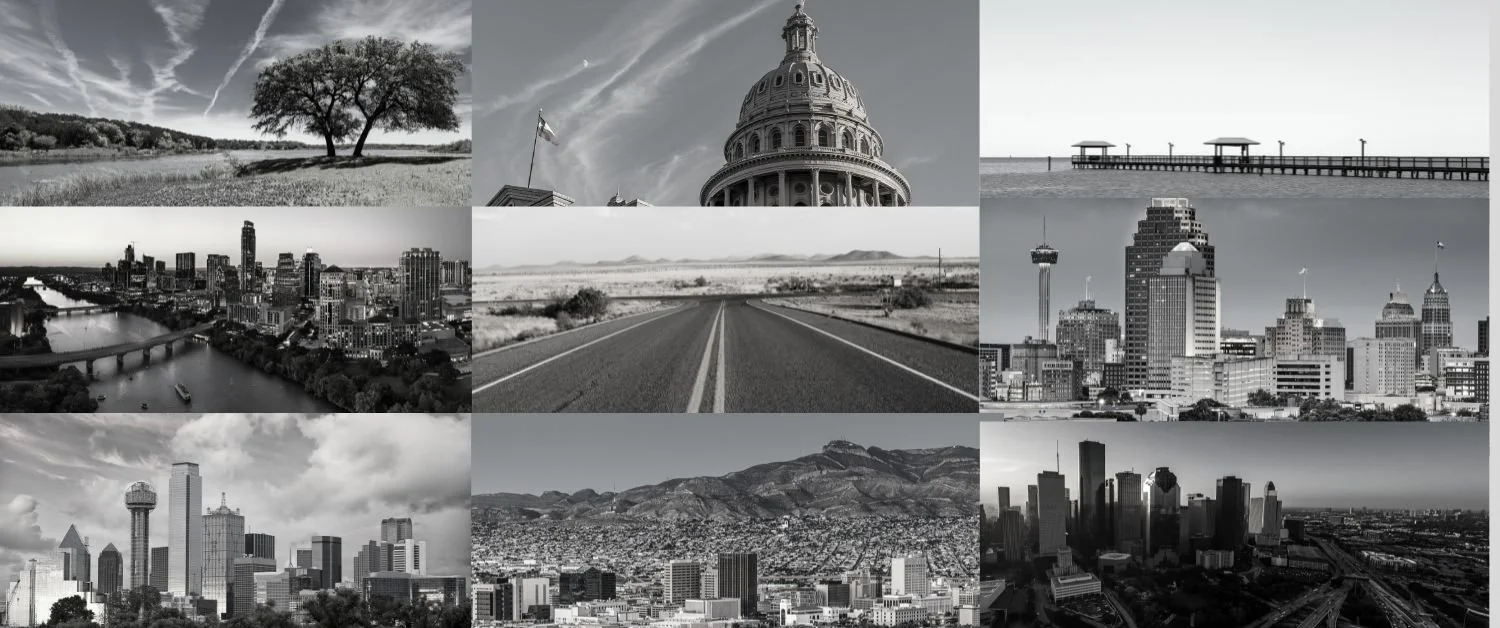
These shifting demographics have shaped Texas. Now, as a state of over 28 million people, Texas is a multicultural and multireligious mosaic: a top destination for new immigrants, a majority-minority state since 2004, and home to the most ethnically diverse city in the nation, Houston. Texas has the largest number of evangelical Protestants in the nation as well as one of the largest Muslim populations and the second largest Hindu population in the US. The Gone to Texas project seeks to better understand and preserve the memories, voices, experiences, and perspectives of immigrants to Texas and their children from the late 20th century through the present.
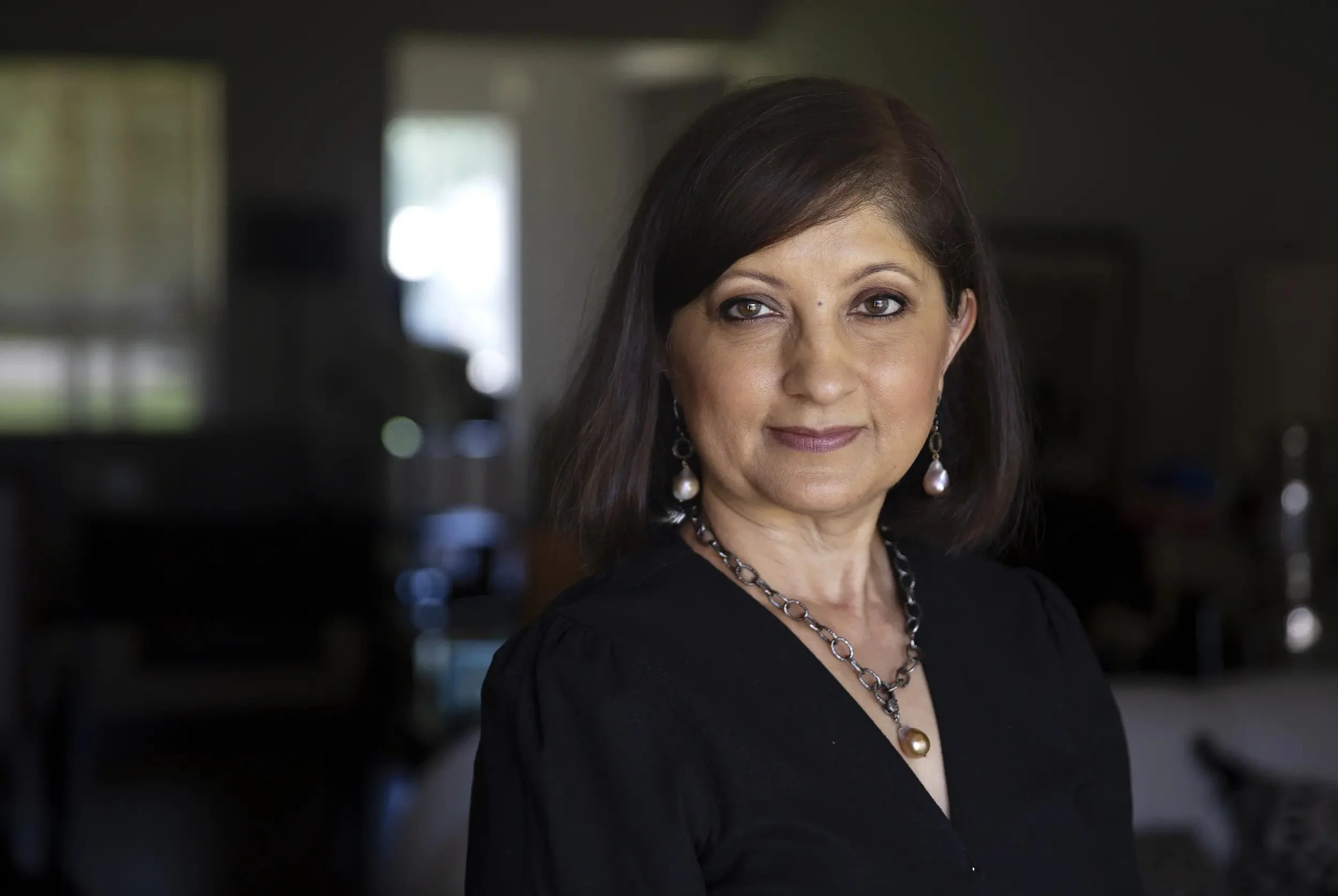
“We moved from Toronto, Canada to Tyler, Texas, and it was a very interesting situation. They didn’t know what to expect of us. And we had a group of teachers that met us at the door when my dad said, “I’m bringing my kids.” And so they spoke to us like we weren’t going to speak English, they’re like [speaking slowly], “Welcome to America.” We’re like, “Okay, that’s nice.” And then we went to class, and a lot of kids didn’t know where Canada was and asked me to speak Canadian. And so those were things that took us off guard, because we knew something about the United States, we knew something about America, we knew something before we came. But it just was shocking that a lot of people had never left the city. A lot of people had never left the state. And a lot of people had never left the country. And so it was a very different experience. It took a little bit getting used to, but we eventually really bought into the East Texas hospitality. Everybody was just super, super nice.”
—Chanda Parbhoo


Support for Communities
Education happens within the context of a larger community. Our approach extends beyond the school to help ensure students have the necessary support to do their best learning.
“With the support from Lusaka, we have been able to serve our students better than ever.”
— Alonzo F., School Principal